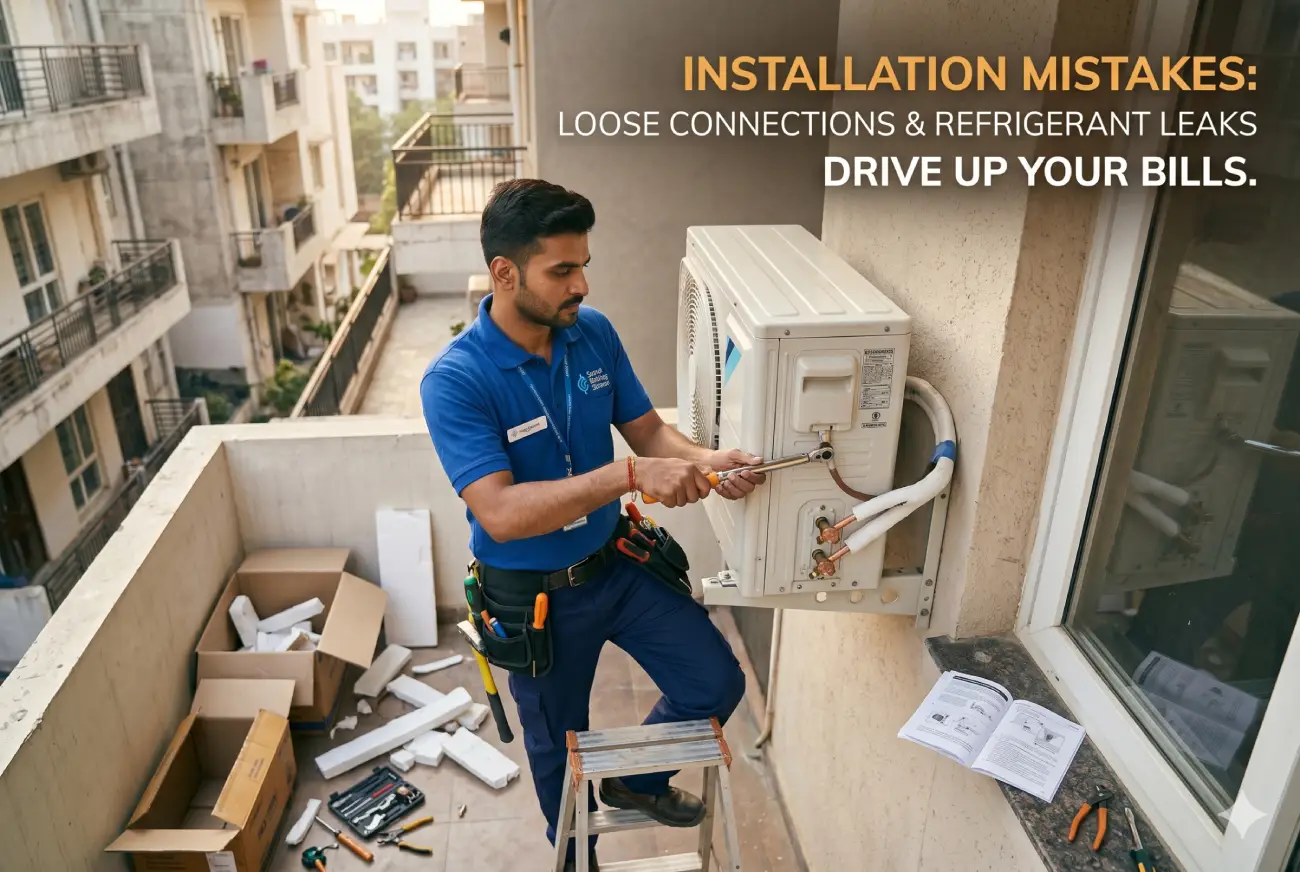

Installing an air conditioner is not just about mounting the indoor and outdoor units. Proper AC installation plays a major role in cooling performance, energy efficiency, and electricity consumption. Even a high-quality air conditioner can lead to poor cooling and high power bills if it is installed incorrectly.
Many homeowners focus only on buying the right AC but ignore the importance of professional installation. Small installation mistakes can force the air conditioner to work harder, increasing monthly electricity bills and reducing the lifespan of the unit.
Understanding these common AC installation mistakes can help you save energy, improve cooling efficiency, and avoid expensive repairs in the future.
Why Proper AC Installation Matters
An air conditioner works by maintaining balanced airflow, refrigerant circulation, and temperature control. Incorrect installation disrupts this balance, causing the system to consume more electricity while delivering less cooling.
Professional installation ensures:
- Efficient cooling performance
- Lower electricity consumption
- Better airflow distribution
- Longer AC lifespan
- Reduced repair costs
- Improved indoor comfort
Common AC Installation Mistakes That Increase Electricity Bills
1. Incorrect AC Size Selection
One of the biggest mistakes is choosing the wrong AC capacity for the room size.
Small AC for Large Rooms
If the AC is too small, it will run continuously to cool the room, increasing electricity usage.
Oversized AC for Small Rooms
An oversized AC cools the room too quickly and switches on and off frequently, which also wastes energy.
Why Proper Sizing Matters
Correct AC tonnage depends on:
- Room size
- Ceiling height
- Sunlight exposure
- Number of occupants
- Electrical appliances in the room
Professional technicians calculate the correct AC capacity for maximum efficiency.
2. Poor Placement of the Indoor Unit
The location of the indoor unit directly affects cooling efficiency.
Common Placement Mistakes:
- Installing near heat-producing appliances
- Mounting too close to the ceiling
- Placing behind furniture or curtains
- Direct sunlight exposure
Improper placement blocks airflow and forces the AC to work harder, increasing electricity consumption.
Best Placement Tips:
- Install at a proper height for balanced airflow
- Keep away from direct sunlight
- Ensure open airflow around the unit
- Avoid obstruction from furniture
3. Wrong Outdoor Unit Installation
The outdoor condenser unit releases heat from the room. If installed incorrectly, heat dissipation becomes difficult.
Common Outdoor Unit Mistakes:
- Installing in closed or poorly ventilated areas
- Lack of shade protection
- Insufficient spacing around the unit
- Mounting near dust or heat sources
Poor ventilation around the outdoor unit increases compressor workload and energy usage.
4. Improper Refrigerant Charging
Too much or too little refrigerant can reduce AC efficiency significantly.
Effects of Incorrect Refrigerant Levels:
- Poor cooling performance
- Increased electricity bills
- Compressor damage
- Ice formation on coils
Professional technicians use proper gauges and equipment to maintain accurate refrigerant levels during installation.
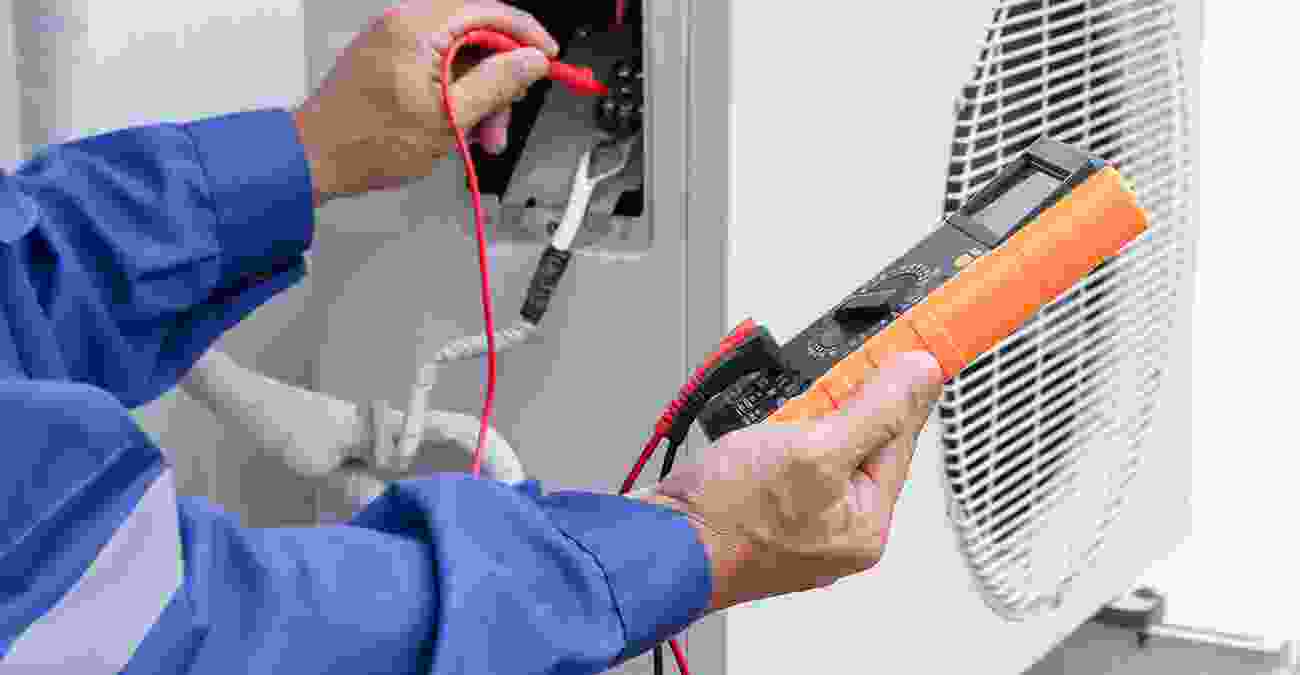
5. Faulty Electrical Connections
Improper wiring can affect AC performance and safety.
Risks of Poor Electrical Installation:
- Voltage fluctuations
- Frequent tripping
- Compressor damage
- Higher power consumption
- Fire hazards
Certified technicians ensure safe electrical connections, stabilizer compatibility, and proper earthing.
6. Poor Insulation of Copper Pipes
Copper pipes carry refrigerant between indoor and outdoor units. If insulation is weak or damaged, cooling loss occurs.
Problems Caused by Poor Pipe Insulation:
- Energy wastage
- Reduced cooling
- Water leakage
- Compressor strain
High-quality insulation prevents cooling loss and improves overall AC efficiency.
7. Long or Improper Drain Pipe Installation
Incorrect drain pipe installation can lead to water leakage and moisture buildup.
Common Drainage Problems:
- Water dripping indoors
- Mold growth
- Blocked drainage
- Reduced cooling efficiency
Proper slope and secure drainage setup are essential for smooth AC operation.
8. Ignoring Room Insulation
Even a properly installed AC may consume more electricity if the room itself is poorly insulated.
Common Room Insulation Issues:
- Open windows or gaps
- Thin curtains allowing heat inside
- Poor door sealing
- Excess sunlight entering the room
Using curtains, sealing gaps, and improving ventilation can reduce cooling load and electricity bills.
9. Skipping Vacuuming During Installation
Vacuuming removes air and moisture from refrigerant pipes before AC operation.
Problems When Vacuuming Is Ignored:
- Reduced cooling performance
- Compressor damage
- Increased power consumption
- Internal corrosion
Unfortunately, some installers skip this important step to save time.
10. Lack of Professional Installation
Choosing inexperienced or untrained technicians often leads to multiple installation problems.
Why Expert Installation Matters:
- Correct AC sizing
- Proper gas pressure management
- Accurate electrical setup
- Safe mounting and drainage
- Better energy efficiency
Professional AC installation helps avoid long-term performance issues and unnecessary electricity expenses.
Tips to Reduce AC Electricity Bills
Along with proper installation, following smart usage habits can further improve energy savings.
Energy-Saving Tips:
- Set AC temperature between 24°C and 26°C
- Clean air filters regularly
- Service your AC periodically
- Use ceiling fans for better air circulation
- Keep doors and windows closed while using AC
- Avoid direct sunlight indoors during daytime
Signs Your AC Installation May Be Incorrect
You should contact AC experts if you notice:
- High electricity bills after installation
- Uneven cooling
- Water leakage
- Frequent compressor trips
- Loud noises from the unit
- Weak airflow
- AC running continuously
Early inspection can prevent major damage and costly repairs.
Conclusion
Proper AC installation is essential for maintaining cooling efficiency and controlling electricity bills. Mistakes like incorrect AC sizing, poor unit placement, refrigerant imbalance, faulty wiring, and improper insulation can force your air conditioner to consume more power than necessary.
Professional AC installation services ensure correct setup, improved energy efficiency, better cooling performance, and long-term savings. Investing in expert installation not only reduces monthly electricity bills but also extends the lifespan of your air conditioner.
If you are planning to install a new AC or facing high electricity bills after installation, professional inspection and proper setup can make a significant difference in comfort and energy savings.